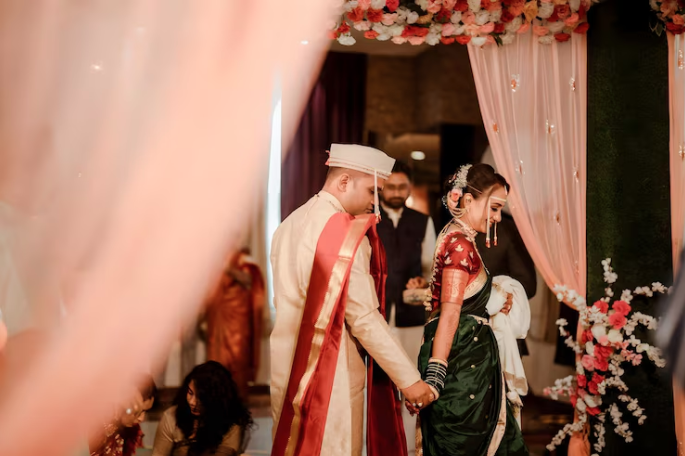
Fresh flowers arrive at the shop every morning. Skilled hands sort through roses, lilies, and seasonal blooms with care. Within hours, these individual stems become breathtaking displays that make people stop and stare. Professional florists know much more than just putting flowers in water. They understand which colors look great together, which textures work well, and how to keep arrangements looking fresh for days. Every cut and every placement follows rules learned through years of training. The secret behind beautiful Flower Arrangements lies in mastering techniques most people never learn. Professional floral setups shine because experts know how to turn simple flowers into striking displays.
What Sets Expert Designs Apart from DIY Bouquets
Professional florists create arrangements that look balanced and well-planned. Their training helps them see what looks good together.
Key differences include:
- Formal education in design and color principles
- Knowing which flowers pair beautifully together
- Proper stem prep that makes flowers last longer
- Skills that keep arrangements from wilting quickly
- Understanding when each flower type is freshest
DIY bouquets often wilt quickly because beginners miss key steps. Professionals place every flower intentionally for balance and beauty.
Foundations of Professional Floral Design
Professional floral arrangements use core ideas borrowed from art and building design. These simple rules help florists make choices that create beautiful results.
Key Principles: Balance, Scale, and Proportion
Balance means spreading visual weight evenly so arrangements look stable. Large dahlias on one side need either similar blooms on the other side or several smaller flowers to balance them out.
Design theory guides these choices:
- Symmetrical designs mirror both sides for fancy events like weddings
- Asymmetrical styles use different elements that still feel balanced
- Scale makes sure tiny blooms do not get lost in huge vases
- Height should be about one and a half times the container size
Color harmony uses a simple 60-30-10 rule. Sixty percent uses the main color. Thirty percent uses a supporting color. Ten percent adds little pops of accent color.
Flower Selection and Preparation
Picking the right blooms means understanding what job each one does. Focal flowers like peonies grab attention as the stars. Supporting flowers like stock add height and fill spaces. Accent blooms like berries add tiny color bursts.
Getting stems ready properly makes flowers last longer:
- Cutting at angles underwater helps flowers drink more water
- Removing leaves below the waterline stops bacterial growth
- Letting flowers drink cool water for hours before arranging
- Using clean, sharp scissors prevents crushing stems
Good preparation can make arrangements last two or three times longer than flowers only stuck in vases right after buying them.
Signature Professional Techniques
Florists use special methods that create strong frames for flowers to shine. These tricks take practice but always create beautiful results.
Spiral and Grid Methods for Structure
The spiral technique makes hand-tied bouquets where stems lock together naturally. Each flower goes in at the same angle, creating a twisted pattern at the tie point. This lets bouquets stand up on their own in vases.
Grid systems use waterproof tape crossed over vase openings. The squares hold each stem right where you want it. This stops flowers from moving around as they open and grow.
Layering Texture and Shape
Mixing different textures creates depth that catches your eye. Velvety roses look amazing next to papery ranunculus. Fluffy astilbe softens spiky flowers. Waxy anthuriums stand out against feathery grasses.
Smart layering includes:
- Tall statements that create height and drama
- Medium fillers that occupy the middle area with fullness
- Low greenery that creates a lush base and hides mechanics
- Surprise elements like succulents or small fruits
Good placement takes your eye on a journey through the arrangement instead of showing only a flat wall of flowers.
Cutting and Arranging for Visual Impact
Different heights look natural, like flowers growing in gardens. Cutting every stem the same length looks stiff and fake.
Framing the star blooms draws attention where you want it:
- Putting the showstopper slightly off-center creates interest
- Surrounding it with matching colors makes it stand out more
- Angling nearby stems point toward the star flower
- Using space so elements have room to breathe
Color Theory in Floristry
Color choices change the whole mood and feeling of arrangements. Understanding how colors work together helps florists create intentional designs. Monochromatic schemes use one color family in different shades. All-white arrangements might mix creamy garden roses with bright white tulips and pale green hellebores. This classy approach works great for simple or elegant events.
Complementary pairings use opposite colors on the color wheel for maximum pop. Purple irises with yellow billy balls create exciting energy. Orange gerberas against blue delphiniums make bold statements.
Professional color tips include:
- White or green acts as a buffer between bold colors
- Light to dark gradients add depth
- Room lighting changes how colors look
- Some colors mean different things in different cultures
Analogous combinations pick neighbors on the wheel. Coral, peach, and soft yellow flow smoothly for warm, welcoming displays. Lavender, violet, and magenta create rich jewel tones.
Advanced Arrangement Styles
Learning different styles lets florists match any look from classic elegance to modern contemporary.
Architectural and Sculptural Arrangements
Modern designs embrace simplicity where space matters as much as flowers. Bold lines and geometric shapes replace traditional round designs.
Popular dramatic tricks include:
- Single statement branches that create structure before adding blooms
- One-sided compositions that look intentionally unbalanced
- Floating flowers that seem to hover using a hidden wire
- Repeating identical blooms in precise patterns or grids
These cutting-edge pieces work as art for galleries, fancy events, or modern homes. They completely challenge what people expect from flower arrangements.
Seasonal Design Approaches
Spring calls for pastel tulips, sweet-smelling hyacinths, and delicate ranunculus. Designs feel light and happy with lots of breathing room.
Summer bursts with bright colors from zinnias, dahlias, and sunflowers. Full, lush designs celebrate when gardens overflow with blooms. Winter shows off evergreens, amaryllis, and anemones in rich jewel colors. Shiny metallic touches and dramatic reds create holiday magic. Using seasonal flowers keeps arrangements fresh and affordable.
Fall arrangements use:
- Warm colors like orange, burgundy, and gold that match autumn leaves
- Harvest touches like wheat, hops, or decorative corn
- Seasonal favorites like mums and celosia
- Interesting seed pods and dried materials for texture
Tools and Materials Every Professional Uses
Special equipment makes professional tricks possible. Having the right tools separates people who do this for fun from real professionals.
Essential Florist Tools
Professional equipment includes:
- Professional shears with angled handles for easy cutting
- Waterproof floral tape in different widths for various jobs
- Floral foam blocks that hold water and anchor stems
- Japanese pin frogs for simple, minimalist designs
- Paddle wire for wrapping bouquets and strengthening weak stems
Choosing the Right Containers
Picking containers goes beyond looks. Glass vases showcase clean stems as part of the design. Ceramic containers hide foam and tape neatly. Raised compote shapes lift designs for better viewing. Container size and shape decide what style works and how many flowers you need.
Finishing Touches and Presentation
Small final details take good work and make it exceptional. Little additions and careful packaging show professional pride.
Adding Preservation and Polish
Special sprays seal flower pores to keep moisture in. Light misting adds a pretty dewdrop sparkle. These products help displays last longer while looking better.
Experts keep flowers fresh through:
- Special flower food that feeds blooms and stops bacteria
- Keeping away from ripening fruit that makes flowers age faster
- Removing dead blooms quickly before they affect healthy ones
- Changing water every few days to keep it clean
- Trimming stems again after a few days, so they drink better
Professional Packaging
Pretty wrapping in kraft paper or clear cellophane protects arrangements during delivery. Care instruction cards teach people how to maintain their flowers. Branded ribbons and tags add a professional touch while promoting the business.
Analyzing the state of the flower business shows a clear shift toward convenience, customization, and same-day delivery services.
Conclusion
Professional florists turn simple stems into breathtaking displays through years of learning and practice. They follow art and design principles while mastering skills that make arrangements both beautiful and long-lasting.
The difference goes beyond first impressions. Expert designs stay stunning throughout their display time while creating intentional moods. This blend of artistic vision and technical know-how transforms flower arranging from simple decoration into meaningful art.
Some studios, like Growing Wild, showcase this approach, where each stem is thoughtfully placed to create arrangements that feel alive and intentional. From small home bouquets to large event centerpieces, every display reflects care, skill, and attention to detail. Consultation ensures
FAQs
What makes professional flower arrangements look so much better than DIY ones?
Professional florists use design rules like balance and proportion consistently. They know advanced tricks and proper conditioning. Years of training create eye-catching arrangements that last much longer.
How do florists choose which flowers to use in an arrangement?
Florists pick flowers based on the theme, season, and color scheme. They mix focal blooms for impact, fillers for fullness, and greenery for depth. Different textures add interest.
What are the key steps professional florists follow when creating an arrangement?
Experts prepare flowers and pick containers first. Greenery goes in to create structure. Focal flowers provide the wow factor. Fillers complete everything. Using odd numbers looks more natural.
How do florists keep flowers fresh for longer in their arrangements?
Florists prep stems before arranging. Clean vases with flower food feed blooms. Angled cuts help flowers drink better. Good care makes arrangements last way longer than untreated flowers.
Can florists customize arrangements for specific events or themes?
Yes, professional florists create custom arrangements for events, styles, and budgets. They match colors and atmosphere perfectly. Custom designs fit settings and celebrations beautifully every time.