
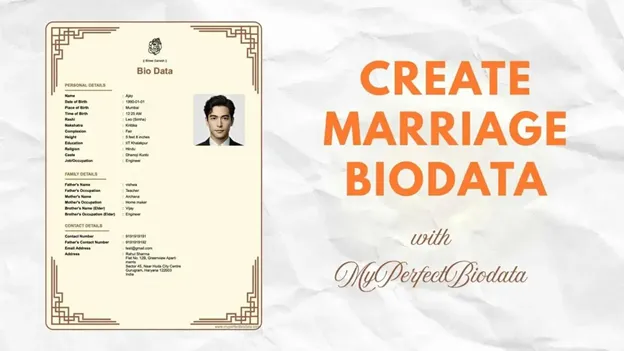
In today’s fast-moving world, a biodata is more than just a formal document—it is your personal introduction. Whether it is for marriage proposals, professional introductions, or family arrangements, a well-prepared biodata helps others understand who you are in a clear and structured way.
A good biodata does not need to be complicated. It only needs to be honest, organized, and easy to read. When done correctly, it becomes a powerful tool that reflects your personality, background, and future goals in a meaningful way.
This guide will walk you through how to make a biodata step by step, what essential details to include, and how to present it in a way that feels natural and professional. You will also learn how modern tools like createmybiodata make the entire process simple and stress-free.
What is a Biodata and Why It Matters
A biodata is a structured document that presents personal information in a clear format. It is widely used in marriage arrangements and sometimes in formal introductions where personal details are required.
Unlike a resume, which focuses on jobs and skills, a biodata focuses more on personal life, family background, lifestyle, and preferences.
A well-prepared biodata helps because it:
-
Creates a clear first impression
-
Helps families understand compatibility
-
Makes communication easier and faster
-
Reflects honesty and personality
-
Builds trust before any meeting happens
In many cases, your biodata becomes the first step toward a long-term connection.
How to Make a Biodata Step by Step
Creating a biodata becomes simple when you follow a proper structure. The key is to keep everything clean, short, and meaningful.
1. Personal Information Section
This is the starting point of every biodata. It gives a quick overview of who you are.
Include:
-
Full name
-
Date of birth
-
Age
-
Height
-
Religion (if relevant)
-
Marital status
This section should be direct and factual without unnecessary descriptions.
2. Educational Background
Education plays an important role in understanding a person’s background and thinking style.
Add:
-
Highest qualification
-
Field of study
-
Institution name (optional)
-
Year of completion
This section should be simple and easy to scan.
3. Professional Details
Work life shows stability, responsibility, and future direction.
You can include:
-
Job title or profession
-
Industry or field
-
Workplace location
-
Income range (optional)
-
Career goals in one short line
Avoid overloading this section with too much detail.
4. Family Background
Family information helps create trust and understanding between two families.
Include:
-
Father’s occupation
-
Mother’s occupation
-
Number of siblings
-
Family type (nuclear or joint)
-
Brief note on family values
This section should feel respectful and balanced.
5. Lifestyle and Interests
This section adds personality to your biodata and makes it more relatable.
You can mention:
-
Diet preference
-
Hobbies and interests
-
Languages spoken
-
Personality traits such as calm, outgoing, or creative
Keep it natural and honest, not overly polished.
6. Partner Preferences
This is one of the most important sections in a marriage biodata.
Mention:
-
Preferred age range
-
Education or profession expectations
-
Personality qualities you value
-
General family expectations
It is better to keep this section flexible rather than too strict.
7. Contact Information
End your biodata with clear contact details:
-
Phone number
-
Email address (optional)
-
Current city or location
This makes it easy for families to reach out.
How to Structure a Biodata for Better Presentation
A biodata is not just about what you write, but also how you present it.
A well-structured biodata should:
-
Be short and easy to read
-
Follow a clean section-wise format
-
Avoid long paragraphs
-
Use simple and professional language
-
Stay within one or two pages
Clarity always creates a stronger impression than complexity.
Common Mistakes to Avoid While Making a Biodata
Many people unknowingly reduce the impact of their biodata by making small mistakes.
Avoid:
-
Writing too much unnecessary detail
-
Using unclear or complicated language
-
Hiding important personal information
-
Making the format messy or inconsistent
-
Adding unrealistic or exaggerated claims
A biodata should always feel honest and balanced.
The Role of Design in a Good Biodata
Even simple content can look powerful when presented properly.
A good biodata design includes:
-
Clean spacing between sections
-
Easy-to-read font style
-
Proper alignment of information
-
Minimal use of colors or decoration
-
Optional professional photo placement
A neat design helps the reader focus on your details instead of distractions.
Modern Way of Creating Biodata
Today, people prefer creating biodata digitally instead of writing it manually. This is because digital formats are faster, cleaner, and easier to share.
Digital biodata allows you to:
-
Update information anytime
-
Share instantly on messaging apps
-
Maintain professional formatting
-
Save multiple versions for different needs
This modern approach has made biodata creation more convenient than ever before.
How createmybiodata Helps in Making Biodata Easier
Creating a biodata manually can feel confusing, especially if you are unsure about structure or formatting. This is where createmybiodata makes a difference.
With createmybiodata, users can:
-
Build a complete biodata in minutes
-
Fill information in a guided format
-
Choose from simple and clean templates
-
Download or share instantly
-
Edit details anytime without starting over
It removes the complexity and helps you focus only on your personal information while the design and structure are handled smoothly.
Why a Well-Made Biodata Leaves a Strong Impression
A well-prepared biodata is not just a formality. It represents your personality and values in a structured way.
A strong biodata:
-
Communicates clarity and confidence
-
Helps avoid misunderstandings
-
Encourages meaningful conversations
-
Builds trust between families
-
Makes your profile memorable
In simple words, it becomes the first step toward a meaningful connection.
Final Thoughts
Creating a biodata is not about making it perfect—it is about making it clear, honest, and well-organized. When you present your personal details in a simple and structured way, it becomes easier for others to understand and connect with you.
From personal details to family background and lifestyle preferences, every section plays an important role in building your profile.
With the help of modern tools like createmybiodata, the process becomes smooth, fast, and stress-free. Instead of worrying about design and formatting, you can focus on presenting your true self in the best possible way.
A well-made biodata is more than just a document—it is your first step toward new beginnings and meaningful relationships.


